Menu

Menopause Treatment in Singapore: Symptoms, Treatment Options & When to See a Specialist
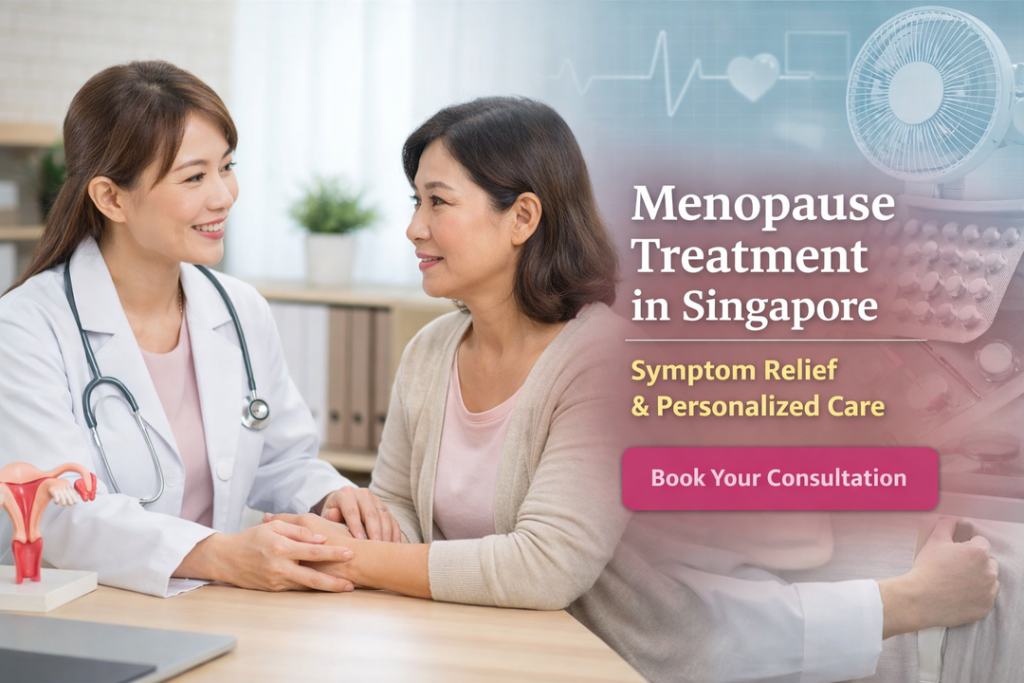
Many women start searching for menopause treatment in Singapore only when symptoms begin to affect sleep, mood, intimacy, work, or overall quality of life. The menopause transition is a natural process, but that does not mean women have to simply put up with disruptive symptoms. Depending on your medical history, age, risk factors, and the severity of your symptoms, treatment may include lifestyle changes, menopausal hormone therapy, non-hormonal medication, and symptom-specific care for issues such as vaginal dryness, urinary symptoms, and poor sleep.
At WS Law Women’s Clinic, our gynaecologist provides personalized menopause care to help women manage symptoms safely and comfortably at different stages of midlife and beyond. Book a menopause consultation to discuss your symptoms, treatment options, and long-term women’s health needs.
What Menopause is and When Treatment May be Needed
Menopause is a natural process that marks the end of a woman’s reproductive life. It is usually confirmed after 12 consecutive months without a menstrual period, indicating that the ovaries have significantly reduced their production of oestrogen and progesterone. Before that point, many women go through perimenopause, also called the menopausal transition, when hormone levels fluctuate, and the menstrual cycle may become less predictable. After menopause, a woman is considered postmenopausal. In Singapore, the average age of natural menopause is 49 years, while SingHealth notes that most women naturally reach menopause between 45 and 55 years.
Not all women need medical treatment. Some women have mild menopausal symptoms or only mild symptoms that do not affect daily life. However, treatment becomes worth considering when menopause symptoms are bothersome, persistent, or disruptive. Hot flushes, night sweats, mood disturbances, sleep problems, vaginal dryness, urinary discomfort, and brain fog can all reduce comfort, confidence, and function. SingHealth notes that if you are above 45 and your symptoms do not affect your daily life, you may not need to see a doctor right away, but if symptoms are affecting sleep, mood, family life, or work, medical review is recommended.
Common Menopause Symptoms That Bring Women to the Clinic
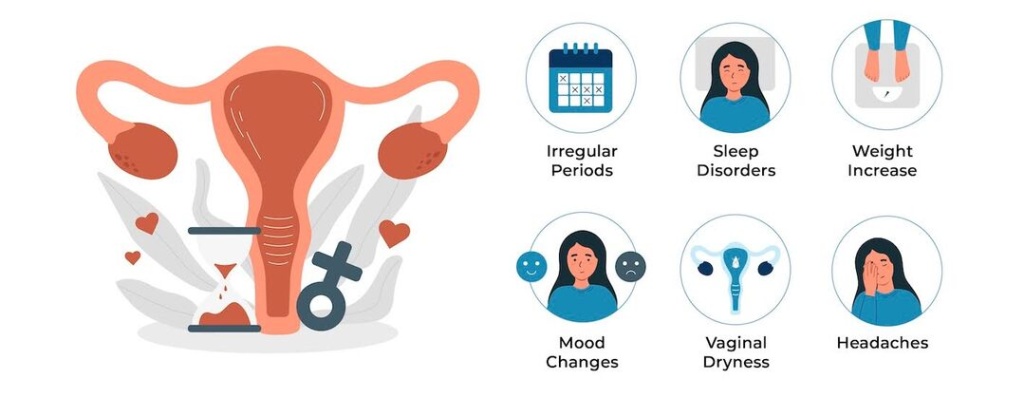
The symptoms of menopause can vary a lot. Some women experience only a few symptoms, while most women notice a mix of physical, emotional, and sexual changes during the menopausal transition.
Common symptoms include:
- Hot flashes or hot flushes
- Night sweats
- Poor sleep or insomnia
- Mood changes, irritability, anxiety, or mood swings
- Vaginal dryness
- Discomfort during sexual intercourse
- Urinary urgency, frequency, or urinary incontinence
- Joint and muscle aches
- Fatigue and brain fog
- Weight gain or body composition changes
- Changes to menstrual periods, including irregular periods and skipped cycles
Singapore’s new menopause guidance is especially useful here. It highlights that the top symptoms locally are joint and muscle pain, poor sleep, sexual health and urinary issues, physical and mental tiredness, and hot flushes. That local pattern matters because it reminds patients that menopausal symptoms are not only about sudden heat or a sudden feeling of flushing. Menopause can also affect mental health, energy, concentration, bladder comfort, and sexual well-being.
How Menopause is Diagnosed
For many women over 45 with typical symptoms, doctors can often diagnose menopause based on symptoms and menstrual history rather than routine blood tests. That means a clear history of irregular periods, skipped cycles, and typical other menopause symptoms may be enough to make the diagnosis. Singapore’s latest guidance specifically says menopause should be diagnosed based on symptoms in women over 45 with typical presentations.
However, further assessment may still be needed in some situations. Blood tests are more likely to be considered for women under 45, women with early menopause or premature menopause, women with irregular or unusual presentations, or women with symptoms that could overlap with thyroid disease or other health conditions. Unusual vaginal bleeding, bleeding after the final menstrual period, or symptoms that do not fit the usual pattern should also be assessed more carefully.
Menopause Treatment Options in Singapore
1. Lifestyle Treatment and Symptom Support
For many women, treatment starts with practical lifestyle changes. This should not be dismissed as filler advice. Exercise, sleep optimisation, healthy weight management, stress reduction, and reducing triggers can make a real difference when managing menopause symptoms. Regular physical activity can support mood, sleep, bone health, and cardiovascular health. Nutrition matters too, especially adequate intake of calcium and vitamin D, alongside weight-bearing exercise, to help protect bone density after menopause.
Some women also find it helpful to identify triggers that worsen vasomotor symptoms, such as hot flashes and night sweats. Lifestyle guidance often includes limiting triggers such as alcohol, excessive caffeine, and spicy foods, improving sleep routines, and building daily habits that support healthy ageing. These measures may be sufficient for women with milder symptoms and remain useful even when medication is needed.
2. Menopause Hormone Therapy (MHT / HRT)
Menopausal hormone therapy, also called hormone replacement therapy or hormone therapy, is one of the most effective forms of medical treatment for bothersome hot flushes, night sweats, and some menopause-related mood symptoms. Singapore’s new guidance states that MHT is safe and effective for treating troublesome vasomotor symptoms, menopause-related mood issues, and for preventing and treating postmenopausal osteoporosis in suitable women. The guidance also recommends offering MHT as first-choice treatment for troublesome hot flushes and night sweats in women who can safely take it.
MHT can be given in different forms, including oral tablets, transdermal gels or patches, and vaginal preparations. If a woman still has her uterus, progesterone is usually needed together with oestrogen to protect the womb lining. Oestrogen-only therapy is usually reserved for women who no longer have a uterus. KKH’s HRT information also notes that low oestrogen after menopause contributes to symptoms such as vaginal dryness and bone loss.
3. Non-hormonal Treatment Options
Not every woman wants hormone replacement therapy, and not every woman is a suitable candidate. When hormones are declined or medically unsuitable, non-hormonal treatments may be considered. Singapore’s menopause guidance specifically says non-hormone treatments, including antidepressants and newer medications, can be considered for troublesome hot flushes when MHT cannot be used or is declined.
This is especially relevant for women with certain health risks or medical histories, including some women with a history of breast cancer, stroke, clotting disorders, or liver disease. Treatment should always be individualised rather than reduced to a single formula for all women with menopause.
4. Treatment for Vaginal Dryness, Painful Sex, and Urinary Symptoms
This part is often under-discussed, even though it affects many women. Menopause can lead to vaginal dryness, painful sex, intimate discomfort, bladder control concerns, and other urinary symptoms. Singapore guidance says these symptoms are very common and often not reported because women may feel embarrassed. The same guidance recommends vaginal moisturisers and lubricants for vaginal dryness and painful sex, and says vaginal oestrogen can be recommended for suitable women without a personal history of breast cancer or other hormone-sensitive cancers. It also notes that vaginal oestrogen is safe and has very low systemic absorption.
For some women, pelvic floor issues and pelvic floor muscles may also play a role in bladder symptoms and discomfort. At WS Law Women’s Clinic, these symptoms can be reviewed as part of a broader menopause consultation rather than treated as isolated problems. Our clinic already positions ourselves as caring for women with issues in later life such as menopause and urinary incontinence, which makes it a natural fit for us to further examine these broader symptoms.
5. Bone Health and Long-term Menopause Care
Menopause is not only about short-term symptoms. Falling oestrogen levels can increase the risk of weak bones and fractures over time. Singapore guidance says menopause significantly increases the risk of osteoporosis and recommends assessing postmenopausal women for their fracture risk, especially if they have added risk factors or premature menopause.
This is one reason menopause care should also include discussion of bone health, calcium, vitamin D, exercise, and longer-term screening needs. WS Law Women’s Clinic already offers PAP smear, HPV test, pelvic ultrasound, mammogram, and BMD testing for bone health and osteoporosis detection through its screening service, which helps support continuity of care beyond symptom treatment alone.
Is Hormone Therapy Safe?
This is one of the biggest fears women have, and understandably so. The answer is not a blanket yes or no. The suitability of MHT depends on age, timing, symptoms, personal medical history, and individual risk factors. However, Singapore’s latest menopause guidance clearly reaffirms that MHT is safe and effective for many suitable women, especially those who are under 60 or within 10 years of menopause and who can safely use it.
Careful assessment is still essential. MHT may require more caution in women with a history of breast cancer, stroke, blood clots, liver disease, unexplained vaginal bleeding, or significant cardiovascular risk. KKH’s medication guidance also lists conditions such as stroke, heart disease, blood clots, liver problems, cancer, and unexplained vaginal bleeding as issues doctors consider before prescribing HRT.
Who Should See a Menopause Specialist?
A menopause consultation is especially helpful for:
- Women with severe menopausal symptoms
- Women under 45 with suspected early menopause
- Women with premature menopause or premature ovarian insufficiency
- Women with complex medical histories or multiple health conditions
- Women who cannot tolerate or cannot use hormones
- Women unsure whether their symptoms are really menopause-related
- Women with bothersome symptoms affecting work, sleep, relationships, or daily life
Singapore’s guidance treats early menopause before age 40 as a serious condition with important long-term health consequences, and recommends active management because of increased risk to bones, heart health, and metabolism.
When to Book an Appointment Urgently
Do not wait for a routine review if you have:
- Heavy or unusual bleeding
- Bleeding after your periods have stopped for 12 months
- Bleeding more often than once every 3 weeks
- Postmenopausal bleeding
- New breast symptoms
- Pelvic pain
- Symptoms that are seriously affecting sleep, mood, work, or intimacy
SingHealth specifically advises medical review if symptoms are affecting quality of life and highlights the importance of assessing abnormal bleeding patterns.
What to Expect at a Menopause Consultation

At a menopause consultation, the doctor will usually review your symptoms, menstrual history, relevant birth control use, current medications, family history, and broader women’s health concerns. The aim is to understand whether you have likely reached menopause, whether your symptoms fit the menopausal transition, and whether any tests or further review are needed.
At WS Law Women’s Clinic, this fits naturally into the clinic’s broader one-stop women’s healthcare model. The clinic has been caring for women since 2011, offers personalized care, and manages women’s needs across life stages, from reproductive health to later-life concerns such as menopause and urinary incontinence. The clinic is located at Mount Elizabeth Novena Specialist Centre, which is also worth surfacing on the page for local relevance and conversion.
Why Choose WS Law Women’s Clinic for Menopause Treatment?
WS Law Women’s Clinic already presents itself as a one-stop women’s health clinic in Singapore, with services covering screening, treatment, and longer-term gynae care. That is a real advantage for menopause patients, because menopause often overlaps with broader issues such as cervical screening, bone density assessment, breast screening, abnormal bleeding review, urinary symptoms, and general midlife health care.
For a patient, that means menopause care does not need to sit in isolation. It can be part of a more complete approach to women’s health, with room to discuss symptoms, risks, treatment preferences, and long-term prevention in one setting.
Book a Menopause Consultation for Menopause Treatment
If you are experiencing menopause symptoms, other symptoms that may be related to hormonal changes, or you are unsure whether your symptoms fit menopause at all, book a consultation with WS Law Women’s Clinic. A personalized review can help clarify what is happening, whether treatment is needed, and which options make sense for your stage of life.
Frequently Asked Questions
What is the best menopause treatment in Singapore?
The best treatment depends on your symptoms, age, medical history, and risk profile. Some women do well with lifestyle changes, while others benefit from menopausal hormone therapy, non-hormonal medication, or treatment focused on vaginal dryness and urinary symptoms.
Is HRT / MHT safe?
For many suitable women, yes. Singapore’s latest guidance says MHT is safe and effective for many women, especially those under 60 or within 10 years of menopause, after proper assessment.
Do I need blood tests to diagnose menopause?
Not always. For many women over 45 with typical symptoms, doctors can often diagnose menopause based on symptoms and menstrual history. Blood tests are more likely to be used in younger women or unusual cases.
What doctor should I see for menopause in Singapore?
A gynaecologist or women’s health doctor with experience in menopause care is often a good place to start, especially if you have troubling symptoms, abnormal bleeding, urinary issues, or questions about MHT.
Can menopause be treated without hormones?
Yes. Non-hormonal treatment options and symptom-specific care are available, and they can be useful for women who prefer to avoid hormones or are not suitable for them.
How long do menopause symptoms last?
This varies widely. Some women have mild symptoms for a relatively short time, while others experience symptoms for several years during the menopausal transition and after the final menstrual period.
When should I start treatment?
Treatment is worth discussing when symptoms begin affecting sleep, mood, bladder comfort, intimacy, work, or overall quality of life, or if symptoms start unusually early.