


Uterine Fibroids: Symptoms, Fertility Impact, and Treatment Options
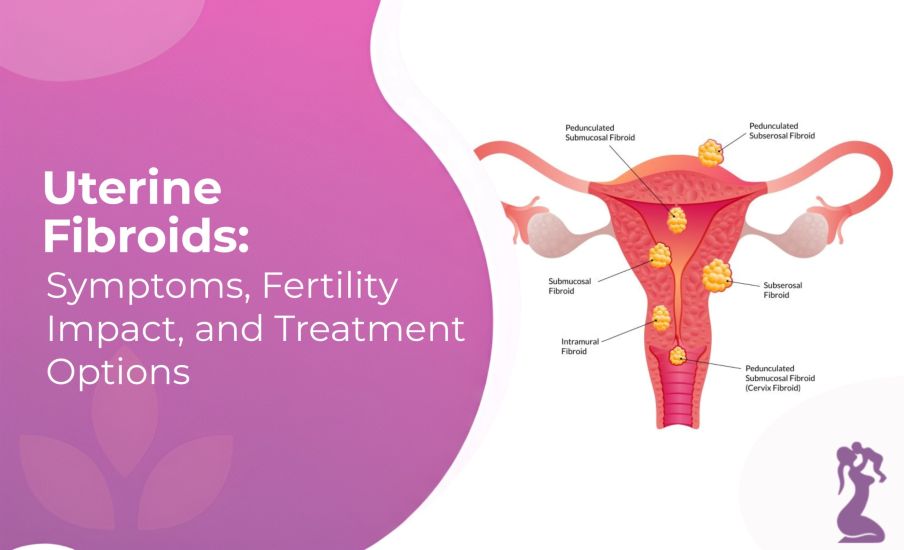
Uterine fibroids are common, and in many cases, they are not dangerous. Some women have fibroids without knowing it because they do not always cause symptoms. Others may experience heavy menstrual bleeding, pelvic pain, pressure symptoms, or concerns about pregnancy and fertility.
If you are trying to understand uterine fibroids symptoms, the link between fibroids and fertility, or the right treatment for fibroids, the first step is to know that fibroids can affect each person differently. Their impact usually depends on their size, number, and location in or around the uterus. Many people with fibroids do not have symptoms, while those who do may experience heavy periods, pelvic pressure, frequent urination, constipation, back pain, or pain during sex.
What Are Uterine Fibroids?
Uterine fibroids, also known as leiomyomas or myomas, are non-cancerous growths that develop in or around the uterus, often causing heavy menstruation, pain, and pressure. A fibroid is made from muscle and connective tissue, and it can be very small or grow large enough to change the shape of the uterus.
Fibroids can grow in different parts of the uterus. Intramural fibroids grow within the muscle wall of the uterus. Submucosal fibroids grow near or into the uterine cavity. Subserosal fibroids grow on the outer surface of the uterus. Some fibroids may also grow on a stalk and are known as pedunculated fibroids.
The symptoms of uterine fibroids often depend on where they are located. A small fibroid inside the uterine cavity may cause heavy menstrual bleeding or fertility concerns, while larger fibroids on the outside of the uterus may cause pelvic pressure, abdominal bloating, constipation, or frequent urination.
Although the exact cause of uterine fibroids is not fully known, fibroids are thought to develop from a single smooth muscle cell in the uterus that undergoes genetic changes and grows under the influence of hormones and growth factors. This does not mean fibroids are cancerous. In most cases, they are benign growths, but their growth patterns can vary. Some fibroids grow slowly, some stay the same size, and some may shrink after menopause.
Risk factors for uterine fibroids include being of reproductive age, having a family history of fibroids, being overweight, and certain dietary patterns. Fibroids are also more common as women get older, especially in their 40s and early 50s. It may not be possible to fully prevent uterine fibroids, but maintaining a healthy weight and supporting overall women’s health may help reduce some risk factors.
Why fibroids can feel very different from person to person
Fibroids can feel very different because size is not the only factor that matters. Location can be just as important.
For example, submucosal fibroids grow close to the uterine cavity. Because this is the area where pregnancy implants and menstrual bleeding begins, these fibroids may cause heavy bleeding or affect fertility. Intramural fibroids grow within the muscle wall of the uterus and may cause pain, pressure, or bleeding depending on their size and whether they distort the uterine cavity. Subserosal fibroids grow on the outside of the uterus and may press on nearby organs, causing pelvic pressure, frequent urination, constipation, or lower abdominal fullness.
This is why one person with a small fibroid may have severe symptoms, while another person with larger fibroids may have only mild discomfort.
Uterine Fibroids Symptoms You Should Not Ignore
The most common uterine fibroids symptoms include heavy menstrual bleeding, long menstrual periods, pelvic pain, pelvic pressure, bloating, lower abdominal fullness, frequent urination, constipation, back pain, and abdominal pain. Some women may also experience pain during sexual intercourse, although this symptom can have other causes too.
Heavy menstrual bleeding is one of the most common symptoms of uterine fibroids. Periods may become heavier than usual, last longer than seven days, include blood clots, or interfere with daily life. Over time, ongoing blood loss can lead to anemia, which may cause fatigue, weakness, dizziness, breathlessness during activity, or reduced exercise tolerance.
Fibroids may also cause pressure symptoms. Large fibroids can press against nearby organs such as the bladder or rectum. This may lead to frequent urination, difficulty emptying the bladder, constipation, pelvic heaviness, or a feeling of fullness in the lower abdomen.
Symptoms that often get overlooked
Some fibroid symptoms are easy to overlook because they may develop slowly. For example, fatigue from heavy bleeding may be mistaken for stress, lack of sleep, or a busy lifestyle. Breathlessness during exercise may happen if anemia develops from prolonged heavy menstrual flow.
Sleep disruption can also occur if pelvic pain, pressure, or frequent urination becomes worse at night. Some women may also avoid exercise, social activities, or travel because of unpredictable heavy bleeding or pain.
Fibroids can affect emotional well-being, too. Chronic pelvic pain, repeated heavy bleeding, and worry about fertility can create distress, even when the fibroids are not life-threatening.
Red flags that need faster medical assessment
You should seek faster medical assessment if you experience very heavy bleeding with dizziness or weakness, fainting or near fainting, sudden severe pelvic pain, or severe symptoms during pregnancy.
It is also important to seek medical advice if your bleeding is heavy enough to soak through pads or tampons quickly, if you pass large blood clots, or if your periods are affecting your normal activities. Heavy or painful periods that cause anemia or disrupt daily life may need treatment.
Fibroids and Fertility, What Patients Usually Want to Know First
Many patients worry that fibroids automatically mean they cannot get pregnant. This is not always true. Many women with uterine fibroids can still conceive and have successful pregnancies. However, some fibroids may affect fertility depending on their size and location.
Fibroids can affect fertility in several ways. They may distort the uterine wall or uterine cavity, interfere with the uterine lining, reduce the chance of embryo implantation, or affect whether sperm and egg can meet. In rare cases, fibroids may physically obstruct the fallopian tubes.
The fibroids most likely to affect fertility are usually submucosal fibroids, especially when they distort the uterine cavity. Some large intramural fibroids may also affect fertility if they change the shape of the uterine cavity. Subserosal fibroids, which grow on the outside of the uterus, are less likely to affect fertility directly.
Fibroids may also increase the risk of certain pregnancy complications in some cases, including miscarriage, preterm delivery, pain during pregnancy, or abnormal fetal position. However, having fibroids does not mean every pregnancy will be complicated. The risk depends on fibroid size, location, number, and whether symptoms are present.
When fibroids and fertility should be discussed early
Fibroids and fertility should be discussed early if you have been trying to conceive without success, have concerns about recurrent pregnancy loss, or already know you have fibroids with heavy bleeding or severe pain.
You should also discuss fibroids early if you are planning fertility treatment. In this situation, your doctor may assess the uterine cavity, fibroid size, fibroid location, and whether the fibroid may affect implantation or future pregnancies.
This is important because symptom relief and fertility planning are not always the same decision. A treatment that helps heavy bleeding may not always be the best option for someone who wants to preserve fertility.
Treatment for Fibroids, How the Right Option Is Chosen
The right treatment for fibroids depends on several factors. Your doctor will usually consider:
- Symptom severity, such as heavy bleeding, pelvic pain, or pressure symptoms
- Fibroid size, including whether the fibroids are small, moderate, or large
- Fibroid location, especially whether the fibroid affects the uterine cavity
- Impact on health, such as anemia from heavy menstrual bleeding
- Age and life stage
- Pregnancy plans or future fertility goals
- Previous treatment response, if treatment has been tried before
Not every fibroid needs treatment. Small fibroids that are not causing symptoms may only need monitoring. However, fibroids that cause heavy bleeding, anemia, pelvic pain, pelvic pressure, frequent urination, or fertility concerns may need a more active treatment plan.
Treatment Options for Fibroids
There are several treatment options for fibroids. The most suitable option depends on your symptoms, fibroid type, fibroid size, and whether you are planning for pregnancy.
Common options include:
- Monitoring or watchful waiting
If symptoms are mild, your doctor may recommend monitoring. This means keeping track of symptoms and checking the fibroids when needed. Many fibroids grow slowly, and some may shrink after menopause. - Medication for bleeding or pain control
Medicines may be used to manage heavy bleeding, pelvic pain, or pressure symptoms. Some medications target hormones that control the menstrual cycle. They may help reduce heavy menstrual bleeding and, in some cases, may help fibroids shrink. - GnRH agonists
Gonadotropin-releasing hormone agonists, also known as GnRH agonists, can temporarily shrink fibroids by creating a menopause-like hormone state. However, they are usually used for a limited period because side effects may include hot flushes, vaginal dryness, and bone loss. - Hormonal options
Hormonal treatment may help manage bleeding symptoms. These options may not remove fibroids, but they can help some patients control heavy menstrual flow. Pain relief medication may also be used for pelvic pain or cramping, although it does not treat the fibroid itself. - Uterine artery embolization
Uterine artery embolization, also called uterine artery embolisation, is a minimally invasive procedure that blocks the blood supply to fibroids through the uterine artery. By reducing blood flow to the fibroid, the fibroid tissue shrinks over time and symptoms may improve. This option may be suitable for some women who want to avoid traditional open surgery, but pregnancy plans should be discussed carefully before choosing it. - Radiofrequency ablation
Radiofrequency ablation uses heat to treat fibroid tissue. Suitability depends on the fibroid’s size, number, location, and the patient’s overall treatment goals. - High intensity focused ultrasound
High intensity focused ultrasound, also called focused ultrasound, uses ultrasound energy to target fibroids. It may be considered in selected cases, depending on the fibroid location and treatment suitability. - Myomectomy
Myomectomy is a surgical procedure that removes fibroids while preserving the uterus. It may be considered for women who want future pregnancies or want to remove fibroids without removing the uterus. - Hysterectomy
Hysterectomy removes the uterus and is considered a permanent solution for fibroids. However, pregnancy is no longer possible after this procedure.
Surgical treatment may be performed through keyhole surgery or traditional open surgery, depending on the fibroid size, number, location, and overall complexity of the case.
What patients often misunderstand about fibroid treatment
One common misunderstanding is that every fibroid must be removed. This is not true. Many fibroids do not cause symptoms and may only need monitoring.
Another misunderstanding is that the biggest fibroid is always the most serious. Sometimes, a smaller fibroid inside the uterine cavity can cause more bleeding or fertility concerns than a larger fibroid on the outside of the uterus.
Patients may also think that all fibroid treatments have the same effect on fertility. This is not correct. The best treatment plan depends on your symptoms, your fibroid type, and whether you want future pregnancies. For example, a patient who mainly wants relief from heavy bleeding may need a different plan from someone preparing for pregnancy or fertility treatment.
How Fibroids Are Diagnosed and What to Track Before Your Visit
What to expect during evaluation
When uterine fibroids are diagnosed, the process usually starts with a detailed review of your symptoms. Your doctor may ask about your menstrual periods, bleeding pattern, pelvic pain, pressure symptoms, urinary symptoms, bowel symptoms, and fertility goals.
A pelvic examination may be performed when appropriate. If fibroids are suspected, an ultrasound is commonly used to confirm the diagnosis. Ultrasound can help show the size, number, and location of fibroids.
Additional imaging may be needed in selected cases. Magnetic resonance imaging may be recommended if more detail is needed before treatment, especially when there are larger fibroids, multiple fibroids, or complex treatment planning.
Bring this information to the appointment
Before your visit, it can help to track your bleeding pattern and how long your periods last. Note whether you pass blood clots, whether bleeding affects your daily life, and whether you need to change pads or tampons very frequently.
You should also record pain or pressure symptoms, cycle dates, bloating, urinary symptoms, constipation, and any signs of anemia such as fatigue, dizziness, weakness, or breathlessness.
If fertility is relevant, tell your doctor whether you are trying to conceive now, planning future pregnancies, undergoing fertility treatment, or have experienced miscarriage. This helps your doctor decide whether monitoring, medication, a minimally invasive procedure, or surgery may be more suitable.
When to See a Doctor for Possible Fibroids
You should consider seeing a doctor if heavy periods are affecting your daily life, pelvic pressure is persistent, pain is worsening, or you notice increasing abdominal fullness.
You should also seek medical advice if you have fibroid symptoms and are trying to conceive, especially if you have been trying for some time without success. Fibroids do not always affect fertility, but when they distort the uterine cavity or affect implantation, early assessment can help guide the next step.
A consultation is also important if you feel tired, weak, dizzy, or breathless during activity, as these may be signs of anemia from ongoing blood loss.
Relief Starts With a Clear Diagnosis and a Treatment Plan That Fits You
Uterine fibroids are common, and many are not dangerous. However, they can still cause real symptoms such as heavy menstrual bleeding, pelvic pain, pelvic pressure, frequent urination, constipation, anemia, and fertility concerns.
The right treatment for fibroids depends on your symptoms, fibroid size, fibroid location, and future pregnancy plans. Some patients only need monitoring, while others may benefit from medication, hormonal options, uterine artery embolization, focused ultrasound, radiofrequency ablation, myomectomy, or other surgical treatment.
If you are experiencing symptoms of uterine fibroids, you do not need to manage them alone or guess what is happening. A clear diagnosis can help you understand the type of fibroid, how many fibroids are present, whether the uterine cavity is affected, and which treatment plan best fits your health and future goals. Schedule a consultation with a gynaecologist for a proper assessment and personalised treatment plan.
Frequently Asked Questions
What are the most common uterine fibroids symptoms?
The most common uterine fibroids symptoms include heavy menstrual bleeding, longer or more frequent periods, pelvic pain, pelvic pressure, frequent urination, constipation, bloating, lower back pain, and pain during sex. Some women may also develop anemia from ongoing heavy bleeding.
Do fibroids always affect fertility?
No. Fibroids do not always affect fertility. Many women with fibroids can still become pregnant. Fibroids are more likely to affect fertility when they distort the uterine cavity, interfere with embryo implantation, or rarely block the fallopian tubes. Submucosal fibroids are generally more concerning for fertility than subserosal fibroids.
What is the best treatment for fibroids?
There is no single best treatment for fibroids for every patient. The best option depends on symptom severity, fibroid size, fibroid location, anemia, age, life stage, pregnancy plans, and previous treatment response. Options may include monitoring, medication, hormonal treatment, minimally invasive procedures, myomectomy, or hysterectomy.
Can fibroids cause heavy periods and anemia?
Yes. Fibroids can cause heavy menstrual bleeding or prolonged periods. If heavy bleeding continues over time, it can lead to anemia. Symptoms of anemia may include fatigue, weakness, dizziness, breathlessness, or reduced exercise tolerance.
When should fibroids be removed?
Fibroids may need to be removed if they cause severe symptoms, heavy bleeding, anemia, worsening pelvic pain, pressure symptoms, fertility concerns, or recurrent pregnancy loss concerns. Removal is not always necessary, so the decision should be based on proper diagnosis, fibroid location, symptoms, and future pregnancy goals.