


Cervical Cancer Prevention, Pap Smear Test & Early Signs
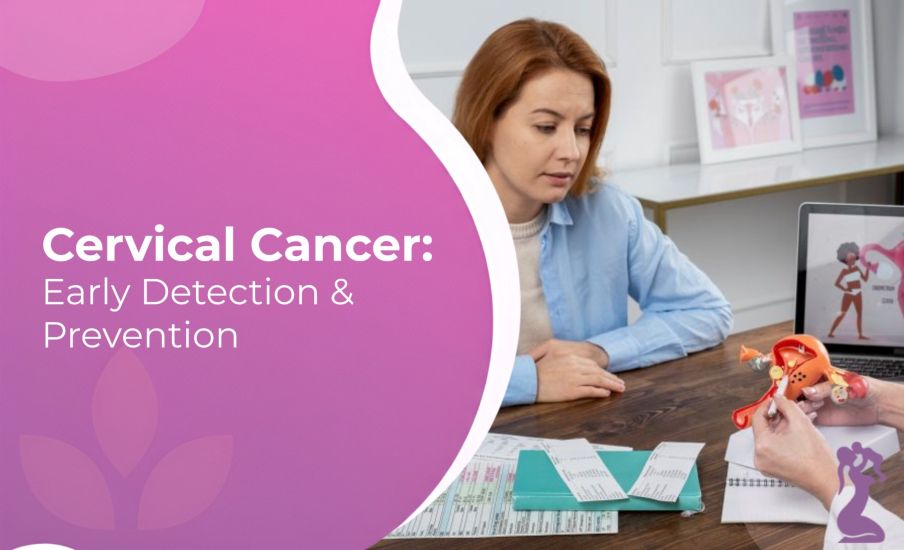
Cervical cancer is a cancer that starts in the cervix, the lower part of the uterus that connects to the vagina. It is strongly linked to long-lasting infection with high-risk types of human papillomavirus, also known as HPV. Almost all cervical cancer cases are associated with high-risk HPV infection, but the good news is that cervical cancer is one of the most preventable cancers when vaccination, regular screening, and timely follow-up are in place.
Prevention matters because early cervical cancer often has no noticeable symptoms. This means a person may feel well even when abnormal cells are already developing in the cervix. Cervical cancer prevention, cervical screening, Pap smears, HPV tests, and awareness of the early signs of cervical cancer all work together to reduce the risk of developing cervical cancer and improve outcomes through early detection.
Understanding Cervical Cancer
Cervical cancer is a malignancy of the cervix. In most cases, it develops slowly after persistent infection with high-risk HPV types causes changes in cervical cells. These changes may begin as abnormal cells or precancerous cells before they become cancer cells. If pre-cancerous changes are detected and treated early, cervical cancer can often be prevented before it becomes invasive.
HPV is a common virus transmitted mainly through sexual contact, including vaginal, anal, or oral sex, close genital skin-to-skin contact, and sharing sex toys. Most HPV infections clear on their own within one to two years and do not lead to cervical cancer. However, when a high-risk HPV infection persists for years, it can lead to changes in cervical cells and increase the risk of cervical cancer.
High-risk HPV types 16 and 18 are especially important because they cause about 70% of cervical cancers worldwide. Other high-risk HPV strains can also lead to cervical cancer. Some low-risk HPV types may cause genital warts, but these are not the same as the high-risk cancer-causing HPV types.
In Singapore, cervical cancer remains an important women’s health issue. SingHealth states that cervical cancer is the 10th most common female cancer in Singapore, with more than 200 women diagnosed each year.
What Is Cervical Cancer Prevention?
Cervical cancer prevention means reducing the chance of HPV infection, detecting abnormal cervical cells early, and treating pre-cancerous changes before they develop into cancer. It can be understood in two main ways: primary prevention and secondary prevention.
Primary Prevention
Primary prevention aims to reduce the risk before abnormal cells develop. The main prevention method for cervical cancer is HPV vaccination.
The HPV vaccine helps protect against specific HPV types that can lead to cervical cancer. In Singapore, HPV vaccination is recommended under the National Childhood Immunisation Schedule and National Adult Immunisation Schedule for females aged 9 to 26.
The HPV vaccine offers the most protection when given before sexual exposure to HPV. CDC guidance recommends routine HPV vaccination for children at age 11 or 12, with vaccination available starting at age 9. In the United States, Gardasil 9 is FDA-approved for females and males aged 9 to 45, but individual suitability depends on age, prior vaccination, health status, and doctor advice.
Safe sexual practices can also reduce HPV exposure. Using condoms can lower the risk of HPV transmission, although condoms do not fully eliminate risk because HPV can affect areas not covered by a condom. Avoiding sharing contaminated sex toys, or using condoms on sex toys and cleaning them properly, may also help reduce transmission risk.
Secondary Prevention
Secondary prevention focuses on detecting abnormal cells before they become cervical cancer. This is where regular cervical cancer screening is important.
Cervical screening can identify abnormal cell changes years before they turn into cancer. The two main screening tests are the Pap test, also called a Pap smear, and the HPV test. These screening tests can detect abnormal cells, high-risk HPV infection, and precancerous changes that may be treated before cancer develops.
Even if you have received the HPV vaccination, regular cervical cancer screening remains important because HPV vaccines do not protect against every high-risk HPV type that can cause cervical cancer.
Cervical Screening: Pap Smears & HPV Testing
Cervical screening is one of the most effective ways to prevent cervical cancer. It does not only aim to detect cervical cancer; it is designed to detect pre-cancerous or abnormal cells before they become cancer.
What Is A Pap Smear?
A Pap smear, also called a Pap test or Pap smear test, is a screening test that collects cells from the cervix. A doctor or nurse gently inserts a speculum into the vagina, then uses a small soft brush to collect cervical cells. These cells are sent to a laboratory to check for abnormal changes.
A Pap smear can detect abnormal cervical cells at a precancerous stage, before they spread deeper into cervical tissues. The test is usually quick and may cause mild discomfort, but it should not be severely painful.
How HPV Testing Works
An HPV test checks for high-risk HPV strains linked to cervical cancer. It uses a sample of cervical cells, similar to a Pap smear, but instead of looking mainly for abnormal cells, it detects whether high-risk HPV types are present.
For women aged 30 and above, HPV testing is more effective in determining the risk of developing cervical cancer because the presence of high-risk cancer-causing HPV strains can indicate a higher chance of future abnormal cervical cell changes.
Recommended Screening Guidelines
For Singapore, cervical cancer screening for women is recommended at the age of 25 and above, who have ever had sexual activity and are due for screening. The recommended screening schedule is:
- Ages 25 to 29: Pap test once every 3 years
- Age 30 and above: HPV test once every 5 years
If a Pap test result is normal, patients are advised to continue cervical cancer screening every three years. If no high-risk HPV strains are detected, screening should continue every five years. If high-risk HPV strains are present, referral to a gynaecologist or further assessment may be recommended.
Screening needs may be different for people with a history of abnormal screening results, previous cervical pre-cancer, HIV infection, a weakened immune system, immune system suppressing drugs, or other risk factors. After age 65, screening decisions are usually based on prior screening history, previous abnormal results, and individual risk, so it is best to follow medical advice from a gynaecologist.
Early Signs & Why Screening Is Crucial
Early cervical cancer often causes no signs and symptoms. This is why cervical screening is so important. Waiting for symptoms can delay diagnosis because symptoms often appear only after the disease has progressed.
Possible warning signs of cervical cancer may include:
- Abnormal vaginal bleeding
- Irregular vaginal bleeding
- Bleeding after sexual intercourse
- Bleeding between periods
- Bleeding after menopause
- Periods that are heavier or longer than usual
- Unusual vaginal discharge, especially watery, bloody, or strong-smelling discharge
- Pelvic pain
- Lower abdominal pain
- Pain during sexual intercourse
These symptoms do not always mean cervical cancer. They may also be caused by infections, hormonal changes, cervical polyps, pelvic inflammatory disease, or other gynaecological conditions. However, abnormal vaginal bleeding, bleeding after sex, unusual discharge, or persistent pelvic pain should be assessed by a doctor.
What Happens After Abnormal Screening Results
An abnormal Pap smear or positive HPV test does not automatically mean you have cervical cancer. It may indicate abnormal cells, an HPV infection, inflammation, or other changes that require further examination.
Depending on the result, follow-up may include:
- Repeat testing to monitor whether HPV infection or mild cell changes clear naturally
- Colposcopy, where a gynaecologist examines the cervix more closely using a magnifying instrument
- Biopsy, where a small tissue sample is taken from an abnormal-looking area
- Treatment of precancerous cells, if changes are significant
If high-risk HPV strains are present, referral for colposcopy may be recommended. This does not mean that cervical cancer is present, but it allows a trained gynaecologist to examine the cervix in detail.
If precancerous cells are found, treatment may remove or destroy the abnormal area before it becomes invasive cancer. Treatment options may include procedures such as LEEP, LLETZ, laser treatment, cold coagulation, or cone biopsy, depending on the location and severity of the abnormal cells. A cone biopsy removes a cone-shaped portion of cervical tissue and may be used when abnormal cells are found higher in the cervical canal or when more detailed tissue assessment is needed.
Lifestyle & Risk Reduction Factors
Lifestyle changes cannot replace cervical screening or HPV vaccination, but they may help reduce risk and support the immune system.
Important risk reduction steps include:
- Quit smoking
Smoking and secondhand smoke are linked to a higher risk of developing cervical cancer in people with high-risk HPV infection. - Use condoms consistently
Condoms can reduce HPV transmission risk, although they do not fully prevent HPV infection. - Limit new sexual partners where possible
People who become sexually active at a young age, especially before age 18, or who have multiple sexual partners, are more likely to be infected with high-risk HPV types. - Attend regular screening tests
Regular cervical cancer screening remains critical because it can detect precancerous changes before they become cancer. - Manage immune-related risk factors
A weakened immune system, HIV infection, or immune system-suppressing drugs may increase the chance that high-risk HPV infection persists and progresses.
Other risk factors discussed by the National Cancer Institute include long-term use of birth control pills, giving birth to many children, obesity-related screening difficulties, and rare exposure to diethylstilbestrol, or DES, in the womb. DES exposure is linked to a rare cervical cancer type called clear cell adenocarcinoma. These factors should be discussed with a doctor in the context of personal medical history.
Cervical Cancer Prevention Beyond Pap Smears
Cervical cancer prevention is not only about Pap smears. A stronger prevention approach includes vaccination, screening, education, timely follow-up, and symptom awareness.
HPV vaccination is primary prevention because it helps prevent HPV infection before it causes abnormal cervical cell changes. Cervical screening is secondary prevention because it detects abnormal cells, pre-cancerous changes, or high-risk HPV infection early. Together, they reduce the risk of developing cervical cancer.
Education is also important. Many people do not know that HPV is a common virus, that most HPV infections clear naturally, and that a positive HPV test does not mean cancer. It is also important to understand that HPV can be transmitted through sexual exposure even when there are no visible symptoms.
Encouraging HPV vaccination, regular cervical screening, and follow-up after abnormal results can help prevent cervical cancer cases and reduce delays in early detection.
Conclusion – The Power of Early Detection
Cervical cancer is one of the most preventable cancers because it usually develops slowly and can often be detected at a precancerous stage. HPV vaccination helps prevent infection with key cancer-causing HPV types, while cervical screening through Pap smears and HPV tests can detect abnormal cells before they turn into cancer.
Because early-stage cervical cancer often has no noticeable symptoms, regular screening is important even when you feel well. If you notice abnormal vaginal bleeding, bleeding after sex, unusual discharge, pelvic pain, or pain during intercourse, do not ignore these symptoms.
If you are due for cervical screening, unsure about HPV vaccination, or concerned about the early signs of cervical cancer, schedule a consultation with Dr Law Wei Seng for proper assessment, screening advice, and a prevention plan that fits your health needs.
Frequently Asked Questions
How often should I get a Pap smear?
In Singapore, women aged 25 to 29 who have ever had sexual activity are generally advised to have a Pap test once every three years. Women aged 30 and above are generally advised to have an HPV test once every five years. Your doctor may recommend a different schedule if you have previous abnormal results, high-risk HPV infection, immune system concerns, or other risk factors.
Can cervical cancer be prevented entirely?
Cervical cancer cannot be guaranteed to be prevented in every person, but the risk can be greatly reduced. HPV vaccination, regular cervical cancer screening, timely follow-up after abnormal results, condom use, not smoking, and awareness of symptoms all help reduce the risk of developing cervical cancer.
Is HPV vaccination necessary if I’m not sexually active?
HPV vaccination offers the most protection when given before a person becomes sexually active because it works best before exposure to HPV. In Singapore, HPV vaccination is recommended for females aged 9 to 26 under national immunisation schedules.
What age should screening start and end?
In Singapore, cervical cancer screening is generally recommended from age 25 for women who have ever had sexual activity. The recommended test is a Pap test for ages 25 to 29 and an HPV test from age 30 onward. Decisions about screening later in life, including after age 65, should be based on prior screening history, previous abnormal results, risk factors, and medical advice.